
Knee Conditions
Knee Conditions
The knee is one of the most important weight-bearing joints in the body. It allows you to walk, climb stairs, stand from a seated position, squat, pivot, and participate in athletic activity. Because it absorbs significant mechanical force every day, it is particularly vulnerable to injury and degeneration.
Unlike simple hinge joints, the knee is a complex structure composed of cartilage surfaces, ligaments, tendons, shock-absorbing menisci, and surrounding musculature. When any of these components are compromised, joint mechanics change. Over time, altered mechanics can accelerate wear, increase instability, and contribute to progressive dysfunction.
At RevitalLife, we provide structured orthopedic evaluation to determine the precise structural source of knee symptoms and whether regenerative therapies may be appropriate as part of a comprehensive care plan.
Below is an overview of common knee conditions we evaluate.
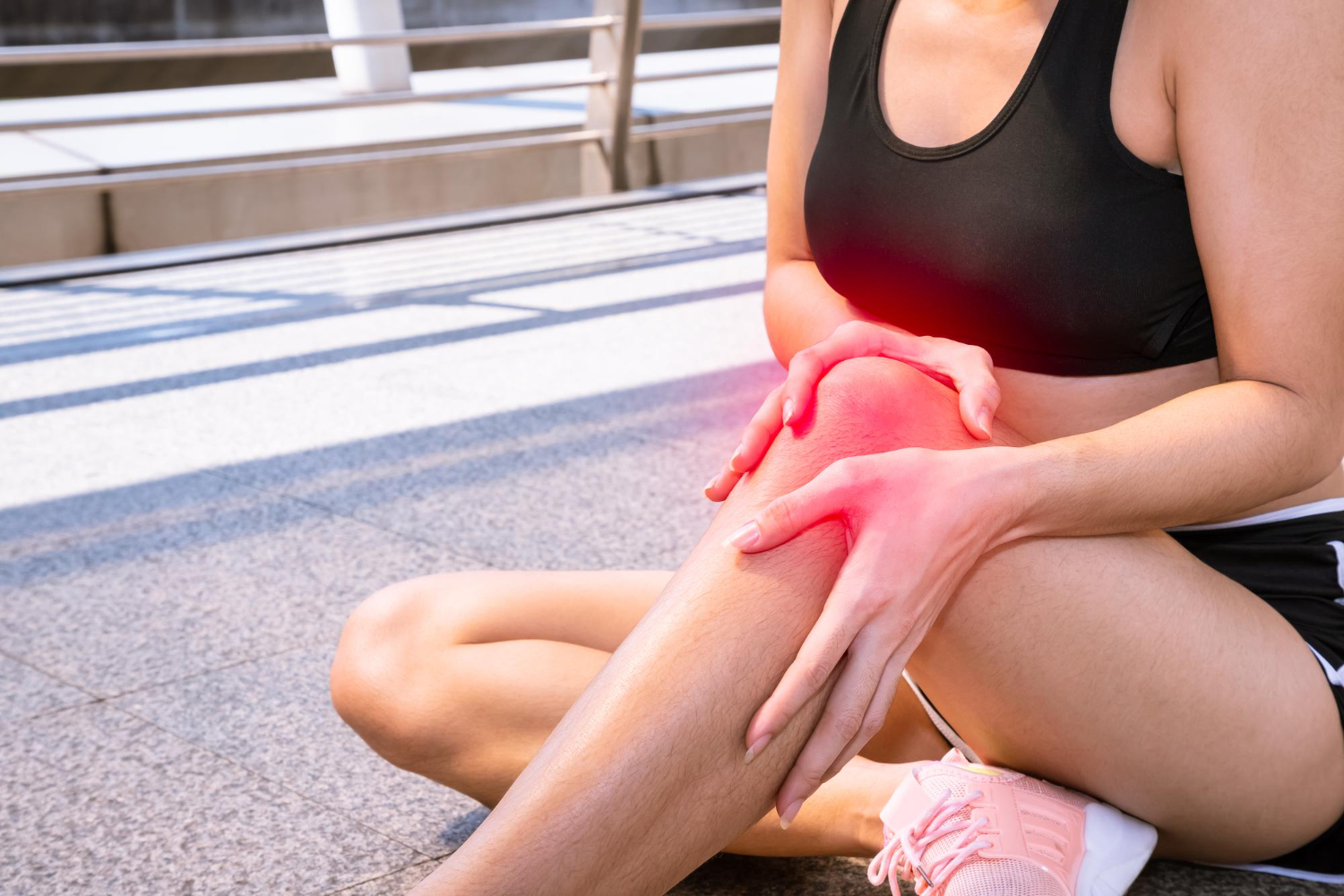
Understanding How the Knee Works
The knee joint is formed by:
- The femur (thigh bone)
- The tibia (shin bone)
- The patella (kneecap)
Between these bones are:
- Articular cartilage that allows smooth gliding
- The medial and lateral menisci that absorb shock
- Stabilizing ligaments such as the ACL and MCL
- Tendons that connect muscle to bone
The knee must balance mobility and stability. Too much laxity may cause instability. Too much stiffness may increase compressive stress. Injury or degeneration to one structure often affects the entire joint environment.
Because of this complexity, accurate diagnosis is essential.
ACL and MCL Ligament Injuries
The anterior cruciate ligament (ACL) and medial collateral ligament (MCL) play a central role in stabilizing the knee.
The ACL controls forward movement and rotational stability of the tibia relative to the femur. It is especially important during pivoting, jumping, and sudden directional changes.
The MCL supports the inner portion of the knee and prevents excessive inward bending.
Ligament injuries may occur due to:
- Sudden twisting motions
- Rapid deceleration
- Direct impact
- Athletic activity
- Traumatic falls
Individuals often report:
- A popping sensation at time of injury (ACL)
- Immediate swelling
- Instability or the knee “giving way”
- Pain along the inner knee (MCL)
Partial tears may respond to structured rehabilitation, while complete ruptures in active individuals sometimes require surgical reconstruction. In selected cases involving partial injury or chronic instability, regenerative strategies may be evaluated.
Learn More About ACL and MCL Ligament Injuries
Meniscus Tears
The menisci are crescent-shaped cartilage pads that act as shock absorbers within the knee. They distribute load across the joint and help preserve long-term cartilage health.
Meniscus tears may occur due to:
- Twisting while the foot is planted
- Deep squatting with rotation
- Athletic pivoting
- Degenerative weakening with age
Symptoms may include:
- Pain along the joint line
- Swelling
- Catching or locking sensations
- Difficulty fully straightening the knee
In younger individuals, meniscus tears often result from trauma. In adults over 40, degenerative tears may develop gradually as cartilage loses elasticity.
Because the meniscus protects joint cartilage, untreated tears may accelerate osteoarthritis progression.
Learn More About Meniscus Tears
Knee Osteoarthritis
Osteoarthritis is a degenerative joint condition involving progressive cartilage breakdown. As protective cartilage thins, increased friction develops between bone surfaces.
This may lead to:
- Stiffness, particularly in the morning
- Swelling
- Grinding sensations
- Pain with activity
- Reduced walking tolerance
Osteoarthritis does not occur simply because of aging. It often develops due to overlapping factors such as prior injury, ligament instability, malalignment, chronic overload, or inflammatory processes.
In early stages, symptoms may fluctuate. In advanced stages, mobility becomes increasingly limited.
Treatment planning focuses on preserving joint function, managing inflammation, and slowing progression.
Learn More About Knee Osteoarthritis
When to Seek Evaluation
You may benefit from structured orthopedic evaluation if you experience:
- Persistent knee pain lasting more than several weeks
- Swelling that does not resolve
- Instability or recurrent “giving way”
- Mechanical locking or catching
- Progressive stiffness or mobility limitation
Early evaluation can help prevent long-term structural deterioration.
Treatment Considerations
Treatment depends on:
- Structural integrity
- Severity of cartilage or ligament damage
- Stability
- Activity level
- Functional goals
Initial management may include rehabilitation, activity modification, and strengthening of supporting musculature.
When symptoms persist or structural degeneration progresses, regenerative orthopedic options may be evaluated.
At RevitalLife, biologic therapies under consideration may include:
Stem Cell Therapy
Studied for its potential role in supporting cartilage health, modulating inflammation, and optimizing the joint environment.
Exosome Therapy
Evaluated for its role in supporting cellular communication and regenerative signaling within musculoskeletal tissues.
All treatment decisions follow comprehensive physician evaluation and appropriate imaging review.
Learn More About Stem Cell Therapy
Learn More About Exosome Therapy
A Thoughtful Approach to Knee Care
Not every ligament injury requires surgery. Not every degenerative condition requires joint replacement.
Our approach emphasizes:
- Accurate structural assessment
- Evidence-informed discussion
- Individualized planning
- Realistic expectations
The goal is to preserve native joint function whenever possible and support long-term mobility.
SCHEDULE A CONSULTATION
Schedule Your Orthopedic Consultation
If you are experiencing persistent shoulder or knee concerns and would like to explore whether regenerative therapies may be appropriate, we invite you to schedule a consultation.