
Stem Cells Therapy
Disclaimer: This page contains content specific to Florida Stem Cell Law, which allows specific licensed physicians to administer stem cell therapies that the U.S. Food and Drug Administration has not approved. The law and the content apply to providers licensed in Florida under Chapter 458 (Medical Doctors) and Chapter 459 (Osteopathic Physicians) acting in the course and scope of their employment.
What Are Stem Cells?
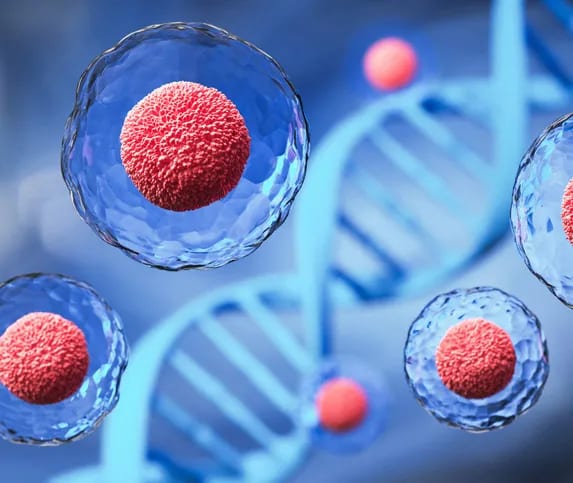
Stem cells are undifferentiated cells capable of both self-renewal and differentiation. Self-renewal allows them to replicate and maintain their population, while differentiation enables them to transform into specialized cells such as cartilage, muscle, nerve, or bone cells.
There are several categories of stem cells based on potency. Totipotent cells can form all cell types, including placental tissue. Pluripotent cells can become nearly any cell in the body but not placental tissue. Multipotent cells, such as mesenchymal stem cells, are more limited in scope but remain highly effective for musculoskeletal, immune, and connective tissue repair.
For patients, stem cells can be thought of as the body’s repair system—cells that respond to injury or inflammation and help coordinate recovery by rebuilding tissue and signaling other cells to assist in the healing process.
For scientific literature and peer-reviewed research, refer to the comprehensive database at PubMed.
How Stem Cells Work in the Body
Stem cells contribute to healing primarily through two mechanisms: differentiation and paracrine signaling.
Differentiation allows stem cells to mature into the specific type of cell required at the injury site. For example, they may become chondrocytes to support cartilage repair or contribute to connective tissue restoration in damaged ligaments.
However, much of their therapeutic benefit appears to arise from paracrine signaling. MSCs release growth factors, cytokines, RNA fragments, lipids, and exosomes—collectively known as the secretome. These signaling molecules reduce inflammation, promote blood vessel formation, enhance cellular survival, and stimulate native tissue repair mechanisms.
Rather than permanently integrating into tissue, MSCs typically act as biological coordinators, modulating immune responses and encouraging the body’s own regenerative processes.
Why Wharton’s Jelly MSCs Are Unique
Wharton’s Jelly mesenchymal stem cells are isolated from the gelatinous connective tissue within the umbilical cord. These cells demonstrate strong proliferative capacity, high expression of MSC surface markers, and significant immunomodulatory properties.
They are considered immune-privileged, meaning they are less likely to trigger rejection when used in allogeneic applications. Importantly, they are collected ethically from medical waste tissue after childbirth, posing no risk to mother or child.
WJ-MSCs are non-tumorigenic, exhibit strong expansion potential in controlled laboratory environments, and exert therapeutic effects primarily through secretion of bioactive regenerative molecules.
Cord Blood–Derived MSCs
Cord blood–derived MSCs are obtained from the blood remaining in the umbilical cord following delivery. These cells are immunologically naïve, highly proliferative, and less exposed to environmental stressors compared to adult-derived stem cells.
Their reduced immunogenicity lowers the likelihood of adverse immune responses. Additionally, collection occurs immediately after birth in sterile conditions, minimizing contamination risk and supporting higher-quality cellular products.
Because of these characteristics, cord-derived MSCs are widely used in regenerative protocols targeting orthopedic conditions, chronic inflammation, wound care, immune modulation, and pain management.
Quality and Culture Considerations
The therapeutic potential of stem cells depends significantly on sourcing, processing, and culture conditions.
Limiting population doubling levels (PDL) to no more than 12 ensures cells remain biologically “young” and retain differentiation capacity. Similarly, restricting expansion to four passages helps preserve phenotype stability and regenerative potency.
Secretome concentration may also influence clinical effect. A preparation described as “20x secretome” indicates a concentrated formulation of bioactive molecules responsible for immunomodulation and tissue signaling.
Use of Xeno-free or human-derived culture media eliminates animal serum components, reducing contamination risk, improving reproducibility, and enhancing suitability for clinical application under regulatory standards.
Clinical Applications
Stem cell therapy has broad applications across regenerative medicine. In orthopedics, MSCs are used to support cartilage repair, reduce inflammation, and improve joint function in degenerative conditions. In wound care, they assist tissue regeneration and accelerate healing. In chronic pain management, they modulate inflammatory signaling and support structural recovery.
Applications also extend to dermatology and aesthetics for skin regeneration and scar remodeling, as well as investigational use in neurological and cardiovascular repair.
For ongoing clinical research, see listings at ClinicalTrials.gov.
Safety Considerations
Scientific evidence indicates that mesenchymal stem cells do not integrate into the recipient’s DNA and do not alter genetic material. Their therapeutic action is primarily signaling-based rather than permanent engraftment.
Concerns regarding vaccine components or donor DNA transmission have not been supported by current evidence. Donor tissues undergo rigorous infectious disease screening and laboratory testing before clinical use.
Regarding cancer risk, current clinical trials have shown no evidence that properly sourced and processed MSCs initiate malignancy. Nevertheless, patients with a history of cancer should undergo thorough evaluation prior to treatment.
Stem Cells vs. Conventional Therapies
Unlike medications that primarily manage symptoms, stem cell therapy is designed to address underlying tissue damage and inflammatory imbalance. By promoting regeneration and immune modulation, it offers a restorative rather than suppressive approach.
While not a replacement for all traditional therapies, regenerative strategies may provide long-term structural and functional improvement in appropriately selected patients.
Patient Considerations
Before proceeding with stem cell therapy, a comprehensive medical evaluation is essential. This includes review of medical history, diagnostic imaging where appropriate, realistic expectation setting, and informed consent regarding benefits and limitations.
Patients should discuss the number of sessions required, anticipated outcomes, recovery timelines, cost considerations, and individualized suitability based on their condition.
A personalized, evidence-guided approach ensures both safety and optimal therapeutic planning.
SCHEDULE A CONSULTATION
Schedule Your Orthopedic Consultation
If you are experiencing persistent shoulder or knee concerns and would like to explore whether regenerative therapies may be appropriate, we invite you to schedule a consultation.