
Hair Regeneration
What Is Hair Regeneration?
Hair regeneration is a medical and regenerative approach focused on restoring and optimizing the natural hair growth cycle. Rather than simply slowing hair loss, it works to improve follicle function, enhance scalp health, and support stronger, thicker hair growth over time. The goal is to create an environment where follicles can function more efficiently and consistently.
Hair loss, medically referred to as alopecia, occurs when there is a reduction in hair density, volume, or strand thickness. This may appear gradually as thinning, a widening part, or decreased fullness, or it may occur more suddenly with noticeable shedding or patchy bald areas. Because hair growth depends on a delicate biological balance, even small disruptions can affect long-term density.
Hair grows in three natural phases: the anagen (growth phase), catagen (transition phase), and telogen (resting and shedding phase). When this cycle is interrupted due to hormonal imbalance, stress, inflammation, or genetic factors, follicles may shrink and produce thinner, shorter strands. Hair regeneration therapies aim to restore balance to this cycle and strengthen follicular performance before permanent loss occurs.
What Causes Hair Loss?
Hair loss can result from multiple overlapping factors. One of the most common causes is androgenetic alopecia, a hereditary condition in which follicles become sensitive to dihydrotestosterone (DHT). Over time, DHT shortens the growth phase and causes follicle miniaturization, leading to progressively finer hair.
Hormonal fluctuations also play a significant role. Postpartum changes, thyroid dysfunction, perimenopause, and menopause can disrupt the hair cycle. As estrogen levels decline with age, the scalp may become more prone to thinning and reduced density.
Stress—both physical and emotional—can trigger a condition known as telogen effluvium, where a large number of follicles prematurely shift into the shedding phase. This often results in noticeable, diffuse hair loss lasting several months.
Nutritional deficiencies, particularly low iron, vitamin D, zinc, and protein levels, can weaken follicle structure and impair regeneration. Autoimmune conditions such as alopecia areata may cause the immune system to attack follicles directly, leading to sudden patchy hair loss. Scalp inflammation, chronic skin conditions, harsh styling practices, and certain medications can further contribute to follicle dysfunction.
Because hair follicles are highly sensitive to internal health changes, even minor imbalances can significantly impact hair density.
Symptoms and Early Signs
The earliest signs of hair loss often appear gradually. Individuals may notice subtle thinning, reduced volume, or increased scalp visibility. Men commonly experience thinning at the crown or hairline, while women more often develop diffuse thinning across the scalp.
Excessive shedding during washing or brushing may also occur. In genetically driven hair loss, miniaturized hairs—short, fine strands—are often visible. Some individuals may experience scalp symptoms such as itching, flaking, redness, or tenderness, especially when inflammation is involved.
Over time, a combination of reduced density, weaker texture, and diminished coverage may become more apparent, particularly under bright lighting or when styling the hair.
How Common Is Hair Loss?
Hair thinning affects millions of individuals worldwide. In the United States alone, more than 50 million men and 30 million women experience noticeable hair loss. By age 50, approximately half of men and nearly 40 percent of women show signs of androgenetic alopecia.
Temporary shedding conditions are also common after childbirth, illness, or significant stress. Because hair is closely linked to confidence and self-image, early evaluation and supportive care are important for maintaining long-term well-being.
Diagnosis and Evaluation
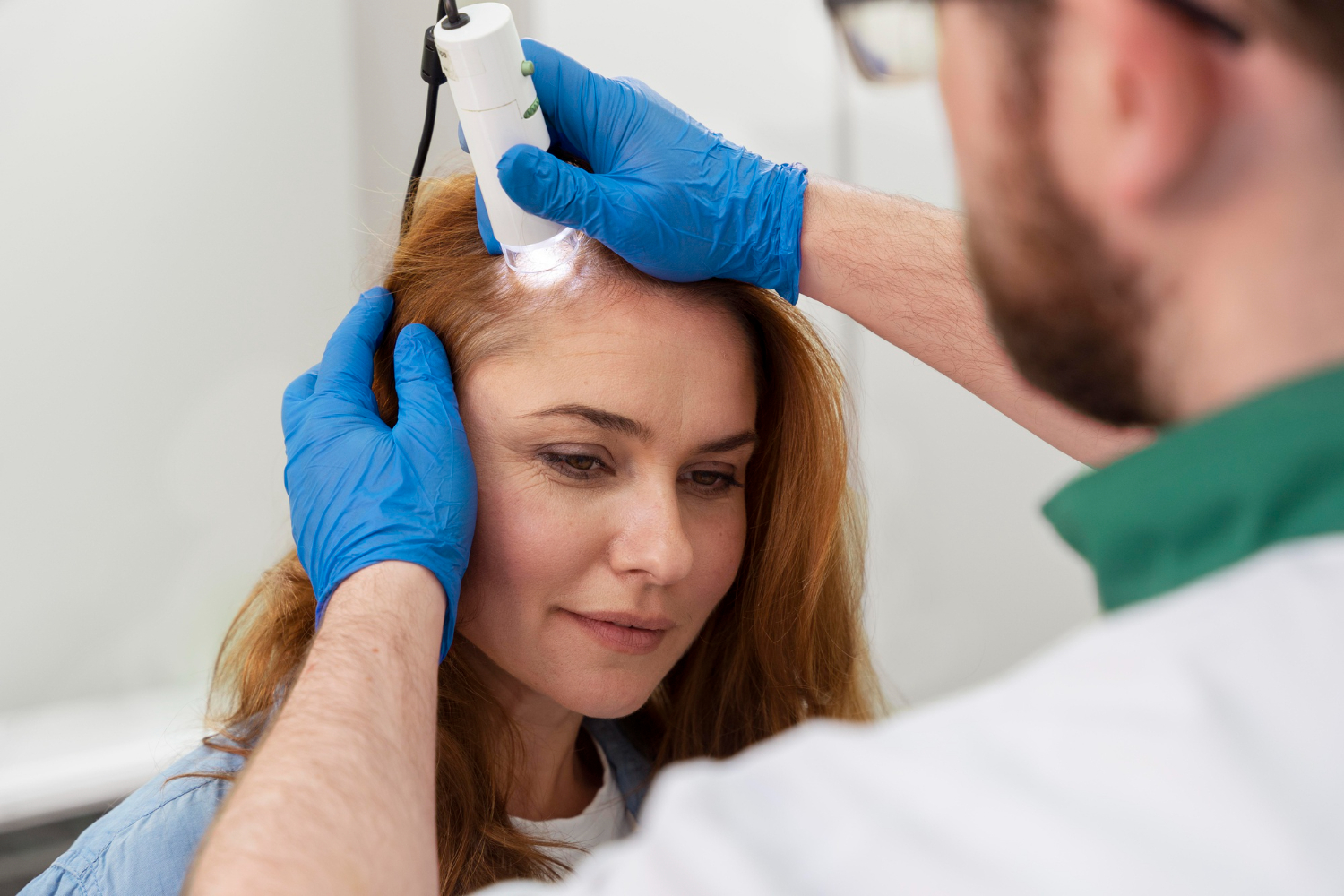
A comprehensive evaluation begins with a detailed review of medical history, symptom progression, hormonal patterns, stress levels, and lifestyle factors. A clinical scalp examination assesses follicle density, hair diameter, inflammation, and signs of miniaturization.
Laboratory testing may be recommended to evaluate thyroid function, iron levels, vitamin deficiencies, and hormone balance. In select cases, advanced imaging or biopsy may be performed to differentiate between scarring and non-scarring forms of alopecia.
Accurate diagnosis ensures that treatment is tailored to the specific cause of thinning.
Treatment and Regenerative Options
Hair regeneration treatment is highly individualized. Early-stage hair loss often responds well to correcting nutritional deficiencies, reducing stress, optimizing sleep, and improving scalp care practices.
Medical therapies may include topical or oral medications, hormone regulation, or anti-inflammatory support depending on the underlying condition. In addition, regenerative procedures such as PRP, exosomes, stem cell–based therapies, low-level laser therapy, microneedling, and peptide protocols may be considered to enhance follicle activity and improve scalp circulation.
In advanced cases where follicles are no longer viable, surgical hair transplantation may be discussed. However, treatment is most effective when initiated before prolonged follicle miniaturization becomes permanent.
The key to long-term success is early intervention and a personalized, medically guided approach.
Educational Resources
SCHEDULE A CONSULTATION
Schedule Your Orthopedic Consultation
If you are experiencing persistent shoulder or knee concerns and would like to explore whether regenerative therapies may be appropriate, we invite you to schedule a consultation.