
Platelet-Rich Plasma (PRP) Therapy
Disclaimer: This page contains content specific to Florida Stem Cell Law, which allows specific licensed physicians to administer stem cell therapies that the U.S. Food and Drug Administration has not approved. The law and the content apply to providers licensed in Florida under Chapter 458 (Medical Doctors) and Chapter 459 (Osteopathic Physicians) acting in the course and scope of their employment.
What Is Platelet-Rich Plasma (PRP) Therapy?
Platelet-Rich Plasma (PRP) Therapy is prepared by drawing a small amount of the patient’s blood, processing it using a centrifuge, and isolating the platelet-rich plasma layer. These platelets release a wide array of growth factors, including:
- Platelet-derived growth factor (PDGF)
- Transforming growth factor-beta (TGF-β)
- Vascular endothelial growth factor (VEGF)
- Epidermal growth factor (EGF)
- Insulin-like growth factor-1 (IGF-1)
These biologically active proteins help support cellular signaling, matrix repair, angiogenesis, and anti-inflammatory effects at the site of tissue injury or degeneration.
PRP Injection for Knee Pain — How It Works
Platelet-Rich Plasma (PRP) therapy is a non-surgical regenerative treatment that uses your body’s own platelets to support the natural healing process. During the procedure, a small sample of blood is drawn and processed to concentrate the platelets. The PRP is then carefully injected into the affected knee to help reduce inflammation, support tissue repair, and improve joint function.
PRP therapy is commonly recommended for patients with mild to moderate knee osteoarthritis, tendon injuries, or chronic knee pain who want to explore alternatives to surgery. Treatment plans are personalized based on your condition, symptoms, and recovery goals.
What to Expect
- Quick Procedure: Most PRP injections are completed in about 30–60 minutes.
- Typical Treatment Plan: Many patients receive 1–3 sessions, depending on their condition and the physician's recommendation.
- Minimal Downtime: Most people can return to normal daily activities within a day or two.
- Gradual Improvement: Pain relief and improved mobility typically develop over the following weeks as the body's natural healing response progresses.
- Personalized Care: Your provider will monitor your progress and recommend follow-up treatment if needed.
PRP injections may help reduce knee pain, improve mobility, and support long-term joint health, allowing many patients to return to their everyday activities with greater comfort. Results vary depending on the severity of the condition and individual response to treatment.
Clinically Focused. Biologically Active. FDA-Cleared PRP Systems for Regenerative Practices.
Platelet-Rich Plasma (PRP) therapy is a foundational tool in regenerative medicine. It uses patient-derived platelets to initiate and support tissue repair, collagen remodeling, neovascularization, and anti-inflammatory modulation. Medical professionals across specialties now rely on PRP as a natural, autologous solution that complements both conservative care and advanced interventions.
At Revitalife, we treat patients with FDA-cleared PRP kits that meet the highest clinical standards. Each system is designed to consistently yield 1 million platelets per microliter, delivering over 5 billion platelets per injection site—an amount supported by peer-reviewed studies as optimal for stimulating regenerative pathways and achieving desired therapeutic outcomes.
This content introduces the broad clinical utility of PRP therapy across six core applications. Each section links to deeper articles or pages dedicated to that indication. Whether you operate in orthopedics, aesthetics, wound care, or sexual wellness, Revitalife offers proven PRP tools to support patient outcomes and streamline clinical workflows.
Clinical Applications of PRP Therapy
1. Orthopedic Applications
PRP therapy is commonly used to help manage joint pain, osteoarthritis, tendon injuries, ligament strains, and other musculoskeletal conditions. It supports the body’s natural healing process while improving mobility and reducing discomfort.
2. Sports Medicine Applications
Athletes and active individuals often use PRP therapy to promote recovery from sports-related injuries, including tendonitis, muscle strains, ligament injuries, and overuse conditions. It may help accelerate healing and support a safe return to activity.
3. Aesthetic Applications
In aesthetic medicine, PRP therapy is used for skin rejuvenation, facial treatments, and hair restoration. By stimulating collagen production and tissue repair, PRP can help improve skin texture, reduce signs of aging, and encourage healthier hair growth.
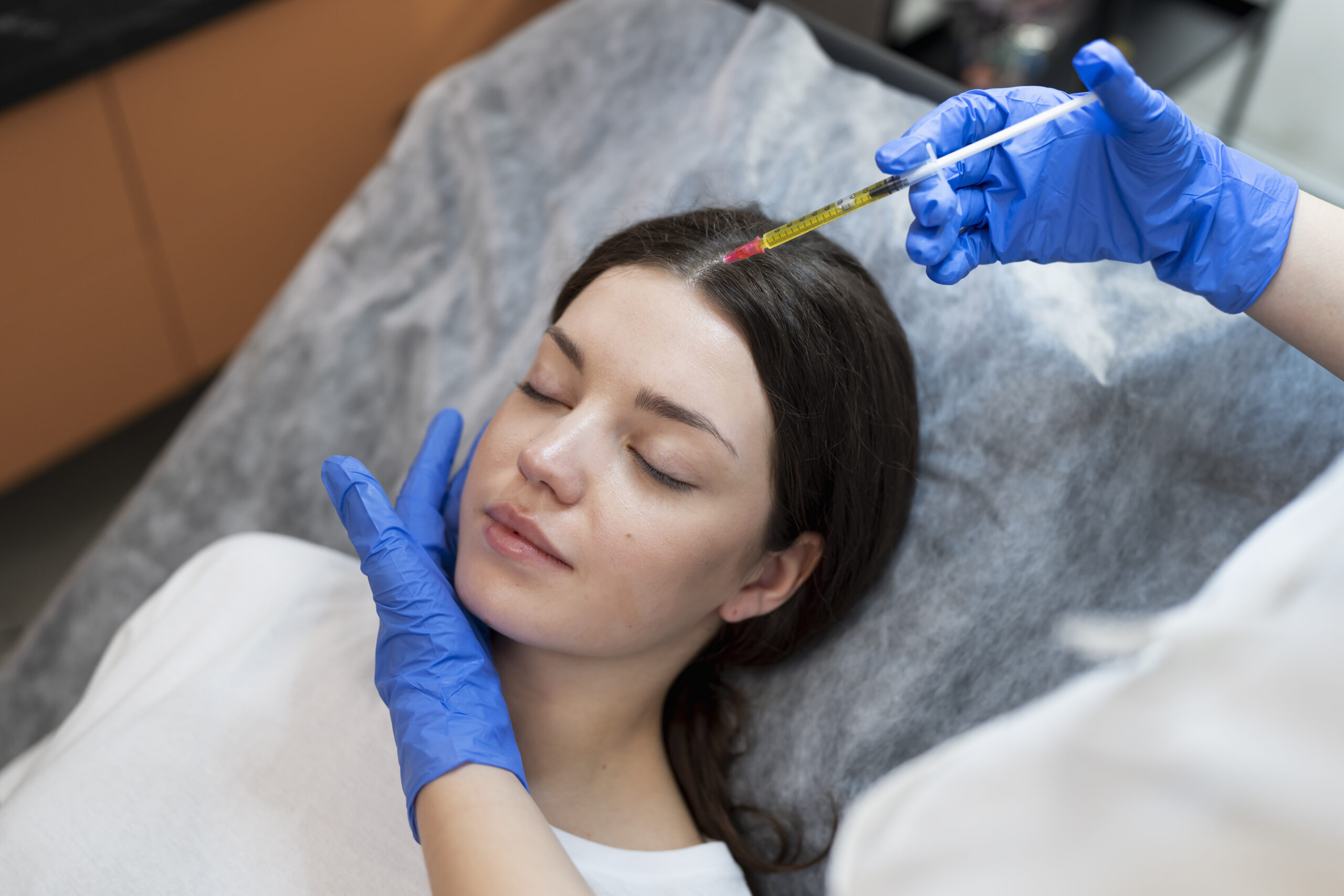
PRP for Hair Restoration & Aesthetics
Beyond orthopedic care, PRP (Platelet-Rich Plasma) therapy is also widely used for hair restoration and aesthetic treatments. PRP uses the body’s own growth factors to support natural tissue regeneration, stimulate hair follicles, and encourage collagen production. It may help improve hair density, reduce hair thinning, enhance skin texture, and promote a more youthful appearance. Because PRP is derived from your own blood, it is a minimally invasive treatment with little downtime. At RevitaLife, every PRP treatment plan is personalized based on your individual goals, helping patients achieve natural-looking results for both hair and skin rejuvenation.
PRP for Orthopedic & Sports Injuries
PRP (Platelet-Rich Plasma) therapy is a regenerative treatment used to help support the healing of orthopedic and sports-related injuries. By using concentrated platelets from your own blood, PRP delivers natural growth factors to the affected area, helping reduce inflammation and promote tissue repair. It is commonly used for joint pain, tendon injuries, ligament sprains, muscle strains, and mild osteoarthritis. Many patients choose PRP as a non-surgical option to improve mobility, relieve pain, and return to their daily activities or athletic performance. Every treatment plan is personalized based on the patient’s condition, recovery goals, and overall health.
Why Revitalife PRP Systems?
Revitalife supports the integration of PRP into protocols with:
1. Consistent Platelet Concentration
All Revitalife PRP systems are designed to deliver at least 1 million platelets/μL, with 5 billion+ total platelets per site. This concentration is supported by peer-reviewed evidence as the clinical threshold for activating regenerative pathways and optimizing healing outcomes.
2. FDA-Cleared Kits Only
Every PRP system provided by Revitalife meets strict FDA regulatory standards. These kits are sterile, single-use, and tested for safety and effectiveness, ensuring your practice adheres to the highest safety and quality standards, unlike unregulated options.
3. Clinical Training & Support
Revitalife has completed hands-on education and certification, technique guidance, and implementation protocols tailored to specialty areas such as orthopedics, aesthetics, and urology. We help you address your issues with regenerative services with confidence.
4. Compatibility with Adjunct Technologies
Our PRP systems are clinically compatible with other regenerative technologies, including:
- Shockwave therapy (ESWT)
- Exosome delivery protocols
- Laser-assisted procedures
- Microneedling devices
- Ultrasound guidance platforms
Clinical Summary Table
Application Area | Key Indications | Treatment Format | Common Adjuncts |
Hair Restoration | Androgenic alopecia, alopecia areata | Scalp injections | Microneedling, topical minoxidil |
Aesthetic Rejuvenation | Acne scars, periorbital aging | Injections + microneedling | Fractional lasers |
Orthopedic | Tendinopathies, early OA, soft tissue | US-guided intra- or peri-tendinous | Shockwave, physical therapy |
Sexual Wellness | Erectile dysfunction, O-Shot protocols | Targeted penile or vaginal injection | Shockwave, hormone therapy |
Wound Healing | Diabetic ulcers, surgical sites | Topical or perilesional application | Bioengineered dressings |
Dermatology | Stretch marks, under-eye dark circles | Subdermal injections | Exosomes, microneedling |
Treatment Integration Support
Revitalife offers customized treatment protocols and implementation assistance for patients adding PRP therapy to their regimens. Our team provides:
We understand that treatment success starts with the right tools, protocols, and training. Our systems are designed to simplify treatments and help you get back to living your life, as you were meant to, after we deliver consistent, high-quality regenerative care.
We understand that treatment success starts with the right tools, protocols, and training. Our systems are designed to simplify treatments and help you get back to living your life, as you were meant to, after we deliver consistent, high-quality regenerative care.
Request a clinical consultation
Speak with a Revitalife PRP specialist
Contact us today to learn how Revitalife can support your regenerative treatment objectives with precision, reliability, and results-driven systems, drastically improving your outcome.