
Orthopedic
Expert Orthopedic Care in Miami
Orthopedics is the medical specialty focused on diagnosing, treating, and preventing conditions that affect the musculoskeletal system. This complex system includes bones, joints, muscles, tendons, ligaments, cartilage, nerves, and connective tissues that work together to support movement, posture, balance, and physical strength.
The musculoskeletal system allows the body to perform essential daily activities such as walking, lifting, bending, and maintaining stability. When any part of this system is injured or degenerates over time, pain, stiffness, and limited mobility can occur.
Orthopedic care is designed to relieve discomfort, restore functional movement, improve joint stability, and preserve long-term structural health. Conditions may range from sudden injuries like fractures or ligament tears to chronic degenerative disorders such as osteoarthritis, tendon disease, spinal conditions, and joint instability. Because nearly every physical activity depends on musculoskeletal function, orthopedics plays a vital role in maintaining quality of life and long-term mobility.
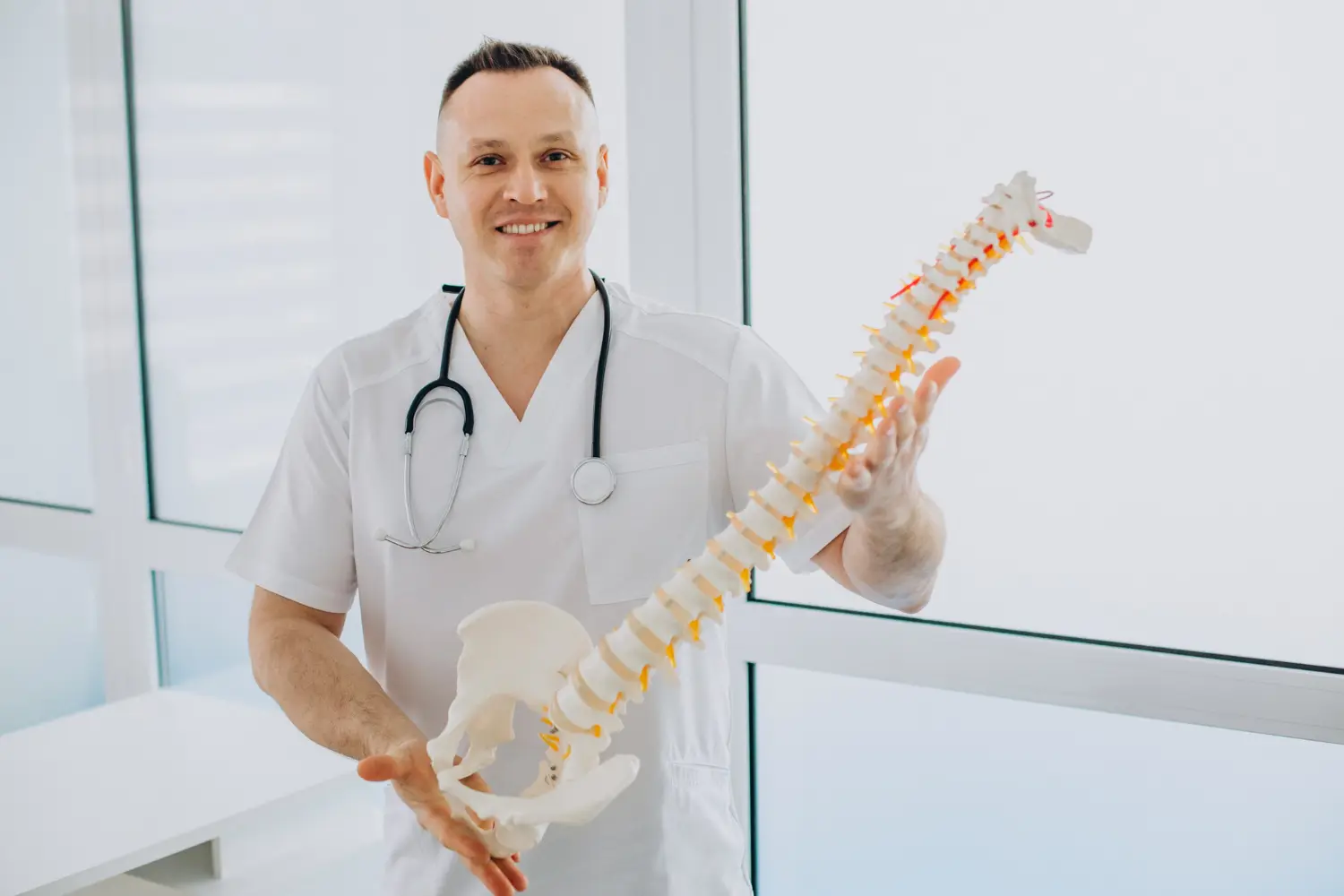
Orthopedic Conditions Our Miami Doctors Evaluate
Orthopedic disorders develop due to a combination of biological, mechanical, and environmental influences.
Natural aging gradually reduces cartilage thickness, bone density, and connective tissue elasticity. Over time, this leads to joint wear, stiffness, and increased vulnerability to degeneration. Acute injuries from falls, sports activities, or accidents may cause fractures, sprains, strains, or tendon tears.
Repetitive movements—whether from athletic training, manual labor, or prolonged sitting with poor posture—can produce micro-injuries that accumulate and evolve into chronic inflammation or structural imbalance.
Genetic predisposition may influence bone structure, joint alignment, and susceptibility to early osteoarthritis. Inflammatory and autoimmune conditions such as rheumatoid arthritis may accelerate joint damage and tissue breakdown.
Lifestyle factors including obesity, physical inactivity, inadequate muscle strength, smoking, and poor nutrition further increase mechanical stress on joints and impair tissue recovery. Because musculoskeletal health depends on both movement quality and internal biology, orthopedic conditions often arise from multiple overlapping contributors.
Symptoms of Orthopedic Conditions
Symptoms vary depending on the structure involved, but most orthopedic conditions present with pain, stiffness, swelling, or limited range of motion.
Individuals may experience joint discomfort during movement, reduced flexibility, muscle weakness, or instability. Some conditions cause persistent inflammation, warmth, or tenderness around the affected area. In more advanced cases, structural changes such as deformity or visible joint enlargement may develop.
Back and neck conditions may produce radiating pain, numbness, or tingling if nerve involvement occurs. Tendon injuries often present as localized pain that worsens with activity. Over time, untreated orthopedic problems may interfere with daily tasks, exercise, and overall physical performance.
How Common Are Orthopedic Conditions?
Musculoskeletal disorders are among the leading causes of disability worldwide.
Osteoarthritis affects over 500 million people globally and remains one of the most common causes of chronic joint pain. Back pain impacts approximately 540 million individuals, making it the most prevalent musculoskeletal complaint worldwide.
Tendon disorders—including rotator cuff injuries, tennis elbow, and plantar fasciitis—affect millions of adults each year. As populations age and sedentary lifestyles become more common, the incidence of orthopedic conditions continues to rise.
Children and adolescents frequently experience sports-related injuries, while adults are more likely to develop degenerative conditions over time. Given the central role of movement in daily life, early prevention and appropriate management are essential for preserving long-term mobility and independence.
Joint Pain, Arthritis & Degenerative Conditions
Living with joint pain or degenerative conditions can affect your mobility and quality of life. At RevitaLife, we provide advanced regenerative medicine treatments designed to help reduce inflammation, relieve discomfort, and support the body’s natural healing process. Our personalized, non-surgical approach may improve joint function, enhance mobility, and help patients return to their daily activities with greater comfort.
Diagnosis
Accurate diagnosis begins with a comprehensive clinical evaluation that includes medical history, symptom progression, lifestyle assessment, and physical examination.
During examination, clinicians assess tenderness, swelling, joint alignment, muscle strength, range of motion, and structural stability. Specific movement tests help identify whether bones, ligaments, tendons, cartilage, or nerves are involved.
Imaging studies are often used to confirm findings. X-rays evaluate bone structure and joint space. Ultrasound helps detect soft tissue injuries. MRI provides detailed visualization of ligaments, tendons, and cartilage. CT scans may be recommended for complex fractures or anatomical abnormalities.
Laboratory testing may be ordered if inflammatory or autoimmune conditions are suspected. In cases involving nerve symptoms, electromyography (EMG) or nerve conduction studies may be performed. Diagnosis typically combines clinical findings with imaging and diagnostic testing to ensure a precise understanding of the condition.
Treatment Options with Miami Orthopedic Specialists
Orthopedic treatment depends on the underlying cause, severity, and functional impact of the condition.
Many patients improve with conservative management. Lifestyle modifications such as weight optimization, posture correction, ergonomic adjustments, and activity modification can significantly reduce joint strain. Physical therapy plays a central role in rehabilitation by strengthening muscles, improving flexibility, correcting movement patterns, and enhancing stability.
Pain management strategies may include anti-inflammatory medications, thermal therapy, bracing, or supportive interventions to stabilize joints during recovery.
When conservative care is insufficient, minimally invasive procedures may be considered. In advanced cases, surgical options such as arthroscopy, ligament reconstruction, fracture repair, or joint replacement may be recommended.
Long-term orthopedic care emphasizes muscle balance, proper biomechanics, and proactive prevention strategies to protect joint integrity and reduce recurrence.
Conservative & Regenerative Treatment Approaches
- PRP Therapy: Uses your body's own platelets to support natural healing and reduce joint pain.
- Regenerative Injections: Designed to promote tissue repair, reduce inflammation, and improve mobility.
- Physical Therapy: Personalized exercises help strengthen muscles, restore movement, and speed recovery.
- Non-Surgical Care: Conservative treatments can help relieve pain and improve function without surgery.
- Personalized Treatment Plans: Every care plan is tailored to your condition, symptoms, and long-term health goals.
Resources
When to See an Orthopedic Doctor in Miami
You should consider seeing an orthopedic doctor in Miami if you have persistent joint pain, stiffness, swelling, or limited mobility that affects your daily activities. Ongoing discomfort after an injury or pain that does not improve with rest may also require a professional evaluation. Early diagnosis and personalized treatment can help prevent further joint damage and support long-term mobility and recovery.
SCHEDULE A CONSULTATION
Schedule Your Orthopedic Consultation
If you are experiencing persistent shoulder or knee concerns and would like to explore whether regenerative therapies may be appropriate, we invite you to schedule a consultation.