
Aesthetics
What Is Aesthetics?
Aesthetics is the medical and scientific study of skin health, aging processes, and appearance optimization. It focuses on understanding how internal biology, environmental exposure, and lifestyle factors influence the structure and function of the skin. By combining dermatology, skin biology, and cosmetic science, aesthetics helps individuals maintain or restore a healthy, youthful appearance while preserving long-term skin integrity.
Aesthetic care is not limited to cosmetic enhancement. It also supports barrier repair, collagen maintenance, cellular turnover, and overall skin resilience. The goal is to promote lasting skin health, prevent premature deterioration, and enhance confidence through evidence-based, medically guided strategies.
What Causes Aesthetic Skin Changes?
Skin changes develop gradually due to a combination of environmental exposure, biological aging, and lifestyle habits.
Ultraviolet (UV) radiation is one of the primary contributors to premature aging, leading to collagen breakdown, pigmentation irregularities, and texture changes. Pollution, harsh weather conditions, and chemical exposure further accelerate oxidative stress and cellular damage.
Lifestyle factors such as inadequate sleep, chronic stress, smoking, alcohol consumption, and nutrient deficiencies impair the skin’s natural repair mechanisms. Poor hydration and inconsistent skincare routines may also weaken the protective barrier, increasing sensitivity and inflammation.
Repetitive facial movements, sun exposure, acne manipulation, trauma, and certain medical conditions can contribute to visible structural changes over time. Hormonal fluctuations, including those occurring during pregnancy, menopause, or endocrine imbalance, may also alter oil production, pigmentation, and elasticity.
Because the skin reflects overall internal health, even subtle imbalances can influence long-term appearance.
Common Symptoms and Concerns
Aesthetic-related skin concerns may present in various ways. Many individuals experience persistent acne, clogged pores, or inflammatory breakouts. Others notice fine lines, deeper wrinkles, or sagging caused by gradual collagen and elastin decline.
Scarring from acne, injury, or surgery may appear raised, indented, or unevenly pigmented. Hyperpigmentation and dark spots frequently develop after sun exposure or inflammation, leading to uneven skin tone.
Additional concerns may include enlarged pores, dryness, redness, dullness, uneven texture, and reduced brightness. Some individuals observe accelerated aging during periods of stress, illness, or hormonal transition.
As these changes progress, they can affect overall smoothness, symmetry, and complexion clarity.
How Common Are Aesthetic Concerns?
Skin-related aesthetic concerns are extremely common worldwide. Acne alone affects more than 50 million Americans annually and remains one of the most prevalent dermatologic conditions.
Fine lines and early signs of collagen decline typically begin appearing in the mid-to-late twenties. By age 35, a large majority of individuals experience some degree of pigmentation irregularity, sun damage, or textural changes.
Scarring affects approximately 40% of individuals who have experienced moderate to severe acne. Because aging, genetics, stress, diet, and environmental exposure influence skin appearance, nearly all adults will experience multiple aesthetic concerns at some stage of life.
Diagnosis and Evaluation
A thorough evaluation begins with a detailed review of medical history, skincare habits, lifestyle patterns, and symptom progression. Clinicians assess pigmentation distribution, oil production, pore size, inflammation, texture irregularities, and elasticity.
The depth and severity of acne, scars, or wrinkles are carefully examined to determine appropriate treatment pathways. Hormonal influences, medication use, stress levels, and nutritional factors are also reviewed.
When necessary, laboratory testing may be recommended to evaluate thyroid function, hormone balance, or nutrient deficiencies. Advanced imaging tools or dermoscopy may be used to analyze vascular patterns, pigmentation depth, or structural changes within the skin.
Accurate assessment ensures that treatment strategies address both surface concerns and underlying contributors.
Treatment Options
Treatment approaches vary depending on the condition, severity, and individual skin type. A personalized plan may include medical-grade topical therapies, prescription medications, targeted skincare protocols, and lifestyle optimization.
Acne management often involves anti-inflammatory strategies, regulated cleansing routines, and evidence-based ingredients such as salicylic acid or benzoyl peroxide. For texture irregularities or scarring, resurfacing and collagen-stimulating treatments may be considered.
Fine lines and wrinkles are commonly addressed with moisturization support, antioxidants, sun protection, and procedures that stimulate natural collagen production. Hyperpigmentation management may include brightening agents and pigment-regulating therapies.
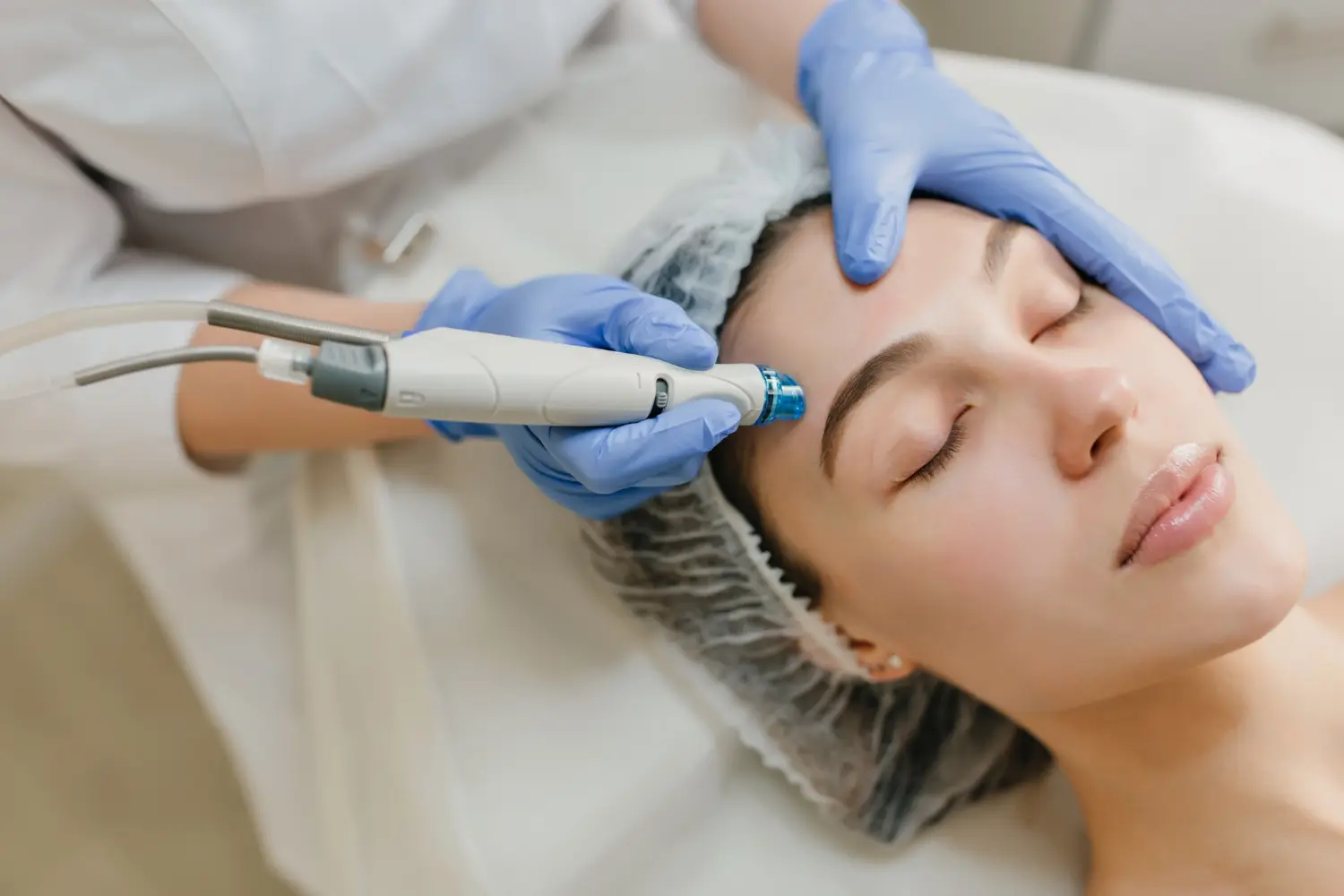
In certain cases, regenerative procedures may support structural repair and skin revitalization, including PRP, exosomes, stem cell–based approaches, low-level laser therapy, microneedling, peptides, and diagnostic ultrasound-guided treatments.
Long-term improvement depends on consistent skincare habits, sun protection, stress reduction, and nutritional support. A medically guided approach provides the most effective and sustainable results.
Educational Resources
SCHEDULE A CONSULTATION
Schedule Your Orthopedic Consultation
If you are experiencing persistent shoulder or knee concerns and would like to explore whether regenerative therapies may be appropriate, we invite you to schedule a consultation.